

How Do Roof Shapes Impact a Home's Design?
The shape of a roof plays a significant role in determining how a house looks, feels, and functions. In Cohoes, NY, roof shape influences not just curb appeal but also how homes handle winter snow loads, ventilation, and even energy efficiency. Many residents are curious about how various roof types stand up to local weather or which designs are common in the community. Understanding the benefits and limits of different styles can help homeowners make informed choices, whether considering minor repairs or planning major upgrades.
Why Are Certain Roof Shapes More Common in Cohoes, NY?
Some roof shapes appear more often in the area due to climate and local building traditions. Gable roofs—those with two sloping sides forming a ridge—are especially popular in Cohoes. They handle snow loads well and allow rain and ice to slide off quickly. Hip roofs, which slope on all four sides, are also seen frequently thanks to their excellent wind resistance.
Local climate—marked by snowy winters and occasional high winds—makes these designs practical. Flat roofs are less common for single-family homes but appear on apartment buildings and commercial properties, where space for rooftop equipment is needed. Area homes built before the 1940s may feature mansard or gambrel roofs, a nod to historical architectural styles.
Which Roof Shapes Work Best for Heavy Snow?
Gable and hip roofs are better suited for heavy snow than flat or low-slope designs. Their steep angles help gravity do the work, moving snow off the surface before it can accumulate dangerously and cause leaks or collapses.
- Gable roofs allow snow to shed efficiently, making them a staple in neighborhoods with mature trees and minimal sun exposure in winter.
- Hip roofs offer slightly better wind resistance, but their extra structure often carries snow more evenly, reducing the risk of uneven weight.
- Flat roofs require careful maintenance to ensure proper drainage after storms. Roof drains and added snow removal may be necessary during particularly snowy winters in the region.
Can Roof Shape Change How a Home Looks?
Roof shape has a dramatic impact on a home’s overall appearance and style. The silhouette, the visual profile from the street, often comes from the roofline:
- Gable roofs give homes a classic, prominent peak that fits both traditional and modern aesthetics.
- Hip roofs tend to soften corners and create a lower, more compact visual effect.
- Mansard or gambrel roofs, seen on some older homes, provide extra living space in the attic and offer a more historic, ornate look.
The choice of roof shape can also affect how large a home appears from outside. For example, steep-pitched roofs can make houses seem taller and more impressive, while low-sloped or flat roofs give a home a wider, grounded feel.
What About Attic Space and Storage?
Roof shape directly impacts how much usable attic space a home has, which is an important consideration for many area households needing storage (or thinking about a future attic renovation).
- Steeply pitched gable and gambrel roofs offer the largest attics, ideal for extra storage or eventual finishing.
- Hip roofs often have less practical attic space because sloping sides reduce the usable square footage beneath.
- Flat roofs typically have no attic space at all.
If future expansion or storage is a priority, choosing a roof shape that maximizes this space is wise.
Do Certain Roof Shapes Require More Maintenance?
Some designs demand more attention than others based on local weather patterns and the need for reliable drainage:
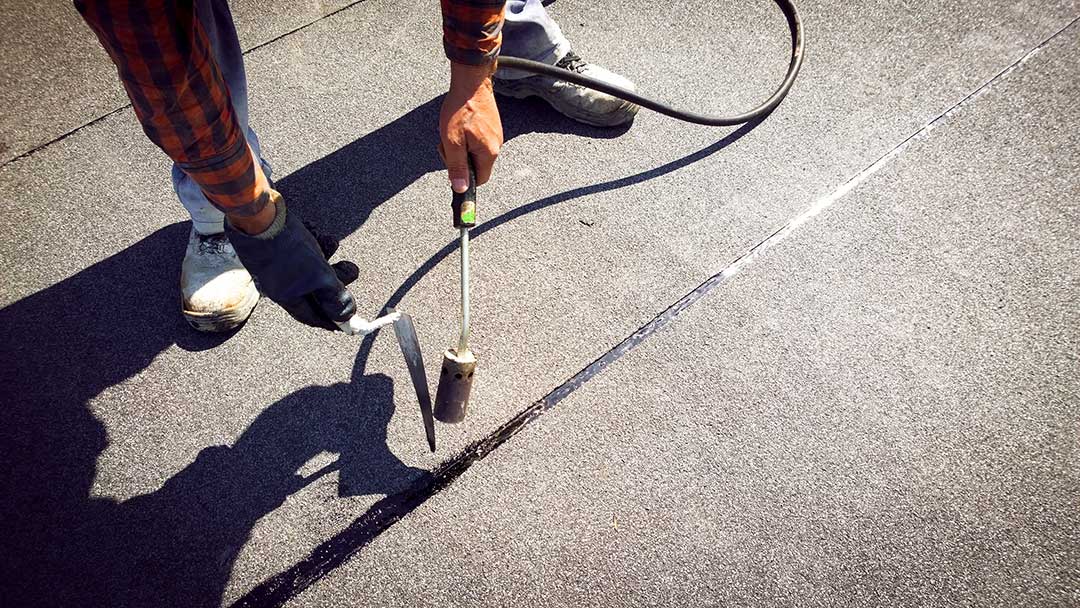
- Flat roofs in the area are especially maintenance-sensitive, requiring checks to ensure water drains properly and surface membranes remain intact after snow and ice. Blocked drains can quickly lead to leaks.
- Steeply pitched roofs (such as gable and gambrel) help snow and rain move quickly, reducing standing water risks but sometimes requiring more frequent checks of gutters and eaves for ice damming in winter.
- Hip roofs, with more seams and valleys, may need regular examination around joints where leaves and debris can collect.
Knowing which roof designs need more attention helps homeowners prepare for seasonal upkeep and avoid unexpected water damage.
Can Roof Shape Affect Heating and Cooling Costs?
Yes, the shape of a roof can impact energy efficiency—especially in climates like Cohoes with both cold winters and warm summers.
- Roofs with larger attics often provide more insulation space, helping keep heat inside during winter and out in the summer.
- Complex roof shapes (like multi-gable or mansard designs) may introduce more potential points for air leaks or require extra sealing, which can impact energy bills if not properly addressed.
- Very low slope or flat roofs tend to heat up quickly in summer, unless adequately insulated or surfaced with reflective materials.
Proper attic ventilation—shaped by the roof’s design—also contributes to lower humidity and more stable indoor temperatures year-round.
Are There Local Style Preferences or Rules?
Most homes in Cohoes reflect the practical and historical preferences of the region. While there are not highly restrictive codes for residential roof shapes, style consistency is valued in some older neighborhoods. If planning a roof replacement or major change, check with local zoning or building officials for any guidelines related to roof pitch or materials, especially if living in a designated historic area.
Older streets may strongly favor certain silhouettes, contributing to the distinctive charm of the community’s housing stock. Newer developments more commonly use hip or simple gable roofs, favoring easy maintenance over ornate design.
What Should Homeowners Consider When Choosing a Roof Shape?
Selecting the right roof shape involves more than just style. Homeowners are advised to weigh snow load handling, long-term maintenance, attic needs, and how the design will fit into the existing streetscape. Watching how neighboring homes handle the same seasonal extremes can offer insight into which designs hold up best across years of upstate winters and spring thaws.
