
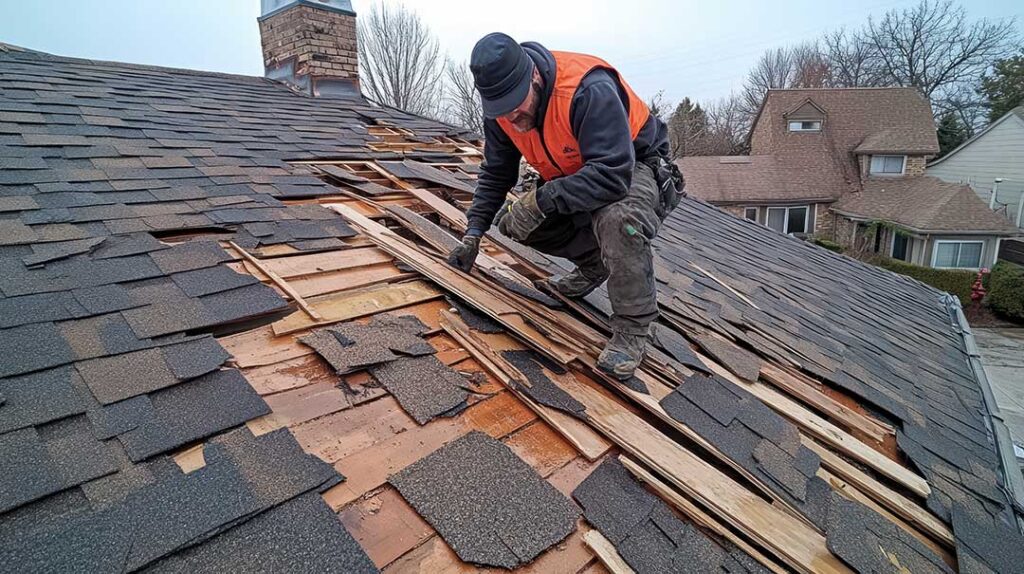
What Is Roof Decking and Why Does It Matter?
Roof decking is the structural base for all materials on a home’s roof. It’s the layer that lies directly on top of the rafters and beneath shingles, metal, or other roofing finishes. For residents in Cohoes, NY, the roof decking supports everything above, from the underlayment to the final outer materials, and helps distribute weight, withstand weather, and maintain the building’s structural integrity.
Choosing the right type and ensuring proper installation or repair is vital, especially in climates like ours, where snow, ice, and fluctuating temperatures can challenge even sturdy construction.
What Types of Materials Are Commonly Used?
The most prevalent materials for roof decking in the area are:
- Plywood: Often chosen for its strength and smooth surface. It’s typically used in large sheets, making installation more uniform and stable.
- Oriented Strand Board (OSB): A budget-friendly alternative to plywood, made from compressed wood chips and resin. It performs well in most residential settings but may be more sensitive to prolonged moisture exposure.
- Plank Decking: Older homes may have plank decking made from solid wood boards. While durable, these may need to be updated when reroofing to meet modern standards, especially if gaps or decay exist.
Each type has advantages and potential drawbacks. For example, while plywood resists moisture and offers strong support, OSB can absorb and retain water if exposed for too long, which can be a concern during long periods of rain or snowmelt.
How Does Local Weather Affect Roof Decking in Cohoes?
In areas like Cohoes, cold winters and frequent freeze-thaw cycles present specific challenges:
- Moisture Infiltration: Repeated cycles of melting snow and ice dams can cause leaks that saturate the decking.
- Expansion and Contraction: Temperature swings cause wood to expand and contract, potentially leading to warping or splitting if the decking isn’t properly fastened or ventilated.
- Heavy Snow Load: Decking provides structural support for accumulated snow, so weakness or deterioration can compromise the entire roof.
Residents should be mindful of small leaks, ice dam formations near eaves, and clogged gutters leading to standing water — all of which can impact how long the decking lasts.
How Can Homeowners Identify Roof Decking Issues?
Common signs of decking problems, visible from either inside or outside, include:
- Sagging Rooflines: If the roof appears to dip between rafters or looks uneven, the underlying decking could be damaged or decayed.
- Ceiling Stains or Mold: Wet spots, stains, or mold on upper-story ceilings and attic rafters may mean moisture is reaching the decking.
- Visible Light in Attic: Seeing daylight through the roof boards is a sign of gaps, deterioration, or missing sections.
- Spongy Feel Underfoot: If a qualified individual walks the roof (using safe methods), soft or bouncy spots can signal compromised decking.
Even when shingles look solid from the street, hidden decking damage is possible, particularly after a harsh winter or roofing leak.
What Happens During Roof Replacement or Repair Involving Decking?
During a roof replacement in the city, roofers typically remove all old shingles and underlayment before closely inspecting the decking. They’ll look for:
- Rot, mold, and water stains
- Warped, cracked, or split wood
- Soft or delaminated areas (especially in OSB)
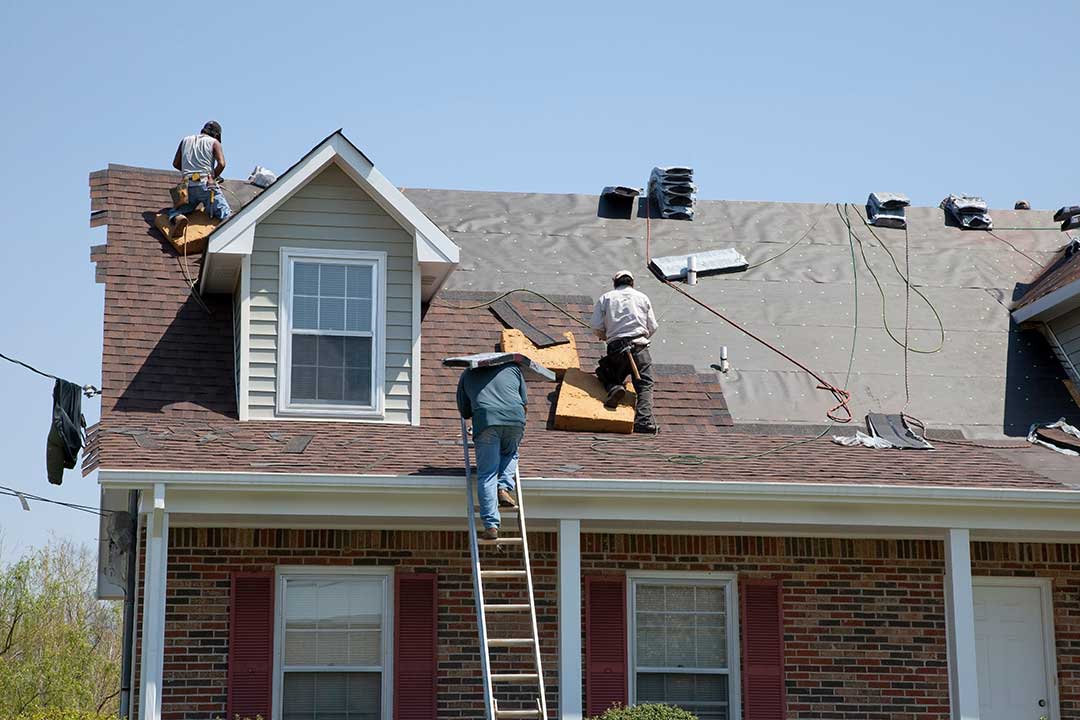
If only small sections are affected, those parts can be replaced with new material without redoing the whole deck. For extensive damage, a full replacement may be necessary to maintain safety and performance. Responsible installers will use nails or screws appropriate for the type and thickness of the decking, and they ensure all seams are well supported by rafters.
Proper underlayment and ventilation, tailored to Cohoes’ climate, are also vital to protect the new decking over the long haul.
Do Building Codes or Standards Affect Roof Decking Choices?
Homes in Cohoes must follow relevant state and local building codes that specify minimum requirements for roof decking thickness, fastening methods, and moisture protection. Codes generally call for:
- A minimum thickness (often 7/16” for OSB or plywood, but thicker for heavy finishes)
- Adequate fastening, such as nails or screws at set intervals
- Use of moisture-barrier underlayment meeting standards
Homes with unique needs — like those in historic districts or with unusual framing — may be subject to extra considerations. When in doubt, checking current local building requirements before work begins is best, as this helps prevent costly rework and safety issues.
Why Do Local Conditions Matter When Assessing or Updating Roof Decking?
The age and design of homes, the density of tree cover, and the city’s seasonal weather all influence decking needs. For example:
- Older homes with original plank decking may need upgrades if gaps, wood rot, or insect damage have weakened structural support.
- Homes surrounded by large, mature trees tend to accumulate leaves and debris, which can trap moisture and speed up rot on the decking.
- Frequent snowfall means that even small leaks must be dealt with quickly, as trapped moisture can rot wood and lead to mold or ice-related damage.
Regular roof maintenance and prompt action after storms can help area households extend the life of their decking and ensure overall roof health.
