
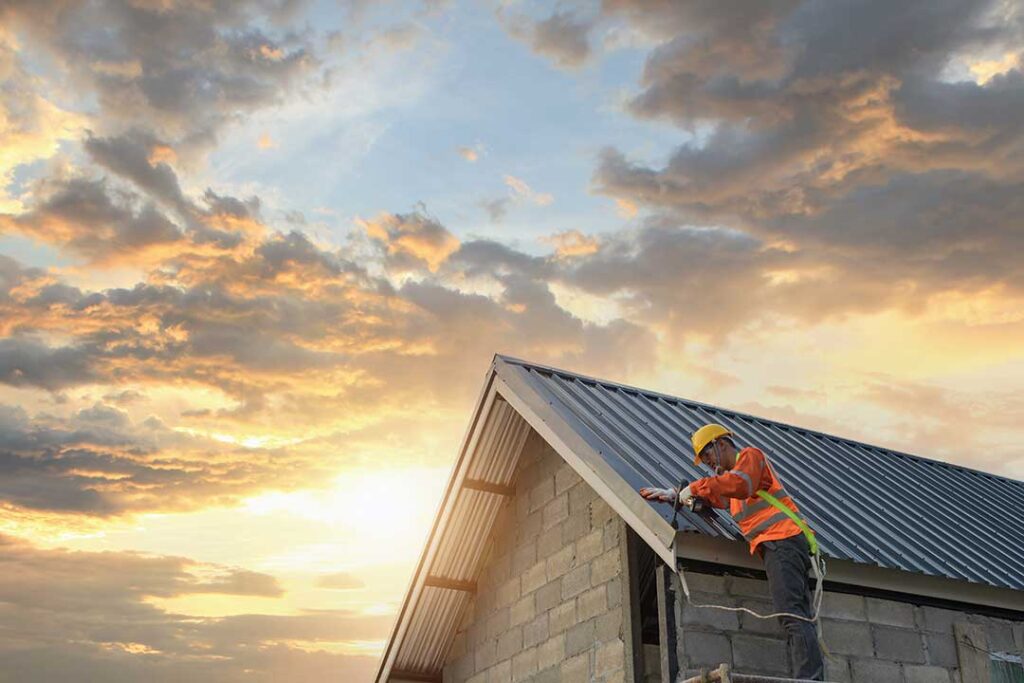
A roof tear-off is the removal of existing roofing materials before new roofing is installed. For homeowners in Cohoes, NY, the process usually involves much more than taking off shingles: workers must protect the property, manage debris, inspect the roof deck, and prepare the structure for the next roofing system.
Understanding the sequence helps households plan for noise, temporary exposure, driveway access, weather changes, and the possibility of additional repairs.
What happens before the old roof is removed?
Before tear-off begins, the roof area and surrounding property are prepared. This preparation reduces the chance of damage to siding, windows, landscaping, vehicles, and outdoor equipment.
Typical preparation may include:
- Moving vehicles away from the work area
- Removing or covering patio furniture, grills, planters, and decorations
- Protecting shrubs, gardens, decks, and exterior fixtures
- Placing tarps or protective materials around the house
- Identifying outdoor electrical equipment, vents, satellite equipment, or other obstacles
- Reviewing where roofing debris will be collected
The household may also need to remove fragile objects from attic shelves or upper-floor walls. Roof tear-off creates vibration, and items that appear secure can shift or fall.
Access to the driveway or areas near the home may be limited while materials and debris are being handled. Pets and children should stay away from the work zone because nails and sharp roofing fragments can travel beyond the immediate roof edge.
How is a roof tear-off performed?
Most tear-offs begin at the roof edges and work upward in sections. Existing shingles, underlayment, flashing, and other roofing layers are loosened and removed with hand tools and roofing equipment.
The work can be loud. Scraping, hammering, walking on the roof, and debris falling into collection equipment may continue for several hours. Noise and vibration can be especially noticeable in upper rooms, finished attics, and homes with older framing.
In many cases, roofing materials are lowered or moved directly into a designated debris container. Some debris may land on protective tarps and then be gathered by hand. A careful cleanup process is necessary because roofing nails can become embedded in grass, soil, gravel, or driveway cracks.
A tear-off may expose portions of the roof deck temporarily. That does not necessarily indicate a problem, but it does mean weather conditions matter. Roofing work is often planned around a suitable weather window so the exposed structure is not left unprotected.
What does the roof deck inspection involve?
After the old roofing materials are removed, the roof deck becomes visible. The deck is the layer of wood or structural paneling attached to the roof framing. It supports the underlayment and shingles above it.
The inspection looks for:
- Soft or spongy areas
- Water stains or rot
- Delaminated or swollen panels
- Split boards
- Loose fasteners
- Open gaps or damaged joints
- Areas weakened around chimneys, valleys, vents, or roof edges
Not every dark mark means the deck needs replacement. Some staining may be old and dry, while other areas may be structurally weak. A reliable assessment considers the condition of the wood, not only its appearance.
If damaged decking is found, the affected sections may need to be removed and replaced before new roofing materials are installed. This can change the project’s timing and material needs. Homeowners should understand that decking repairs cannot always be identified accurately until the roof covering is removed.
Why can the project cost or timeline change?
A roof tear-off often reveals conditions that were hidden under the old roofing. The most common unexpected issues involve water damage, multiple layers of old roofing, deteriorated flashing, and repairs around roof penetrations.
Older homes may have several roofing layers or areas where previous repairs were installed over existing materials. Removing those layers takes additional labor and may expose older deck boards that no longer provide a sound surface.
Weather is another major factor. Rain, strong wind, freezing conditions, and rapidly changing temperatures can affect both tear-off and installation. In the Cohoes area, seasonal temperature swings and winter moisture make temporary roof protection particularly important. A brief delay may be preferable to leaving materials improperly installed or allowing water to reach exposed decking.
The presence of chimneys, skylights, dormers, steep slopes, attached additions, or complicated roof intersections can also make tear-off slower than a simple roof plane.
Will the house be protected during the tear-off?
A roof should not be left unprotected while work is paused. Temporary coverings, careful scheduling, and staged removal help limit the risk of water entering the home.
Even with precautions, homeowners may notice minor dust or vibration indoors. Covering items in the attic and keeping valuable belongings away from the underside of the roof can help. If the attic is used for storage, plastic containers generally offer better protection than cardboard boxes during dusty work.
Interior signs that deserve prompt attention include:
- Active dripping or visible water entry
- Wet insulation
- New ceiling stains
- Water around light fixtures
- Damp walls near roof intersections
- Strong drafts through an unfinished attic
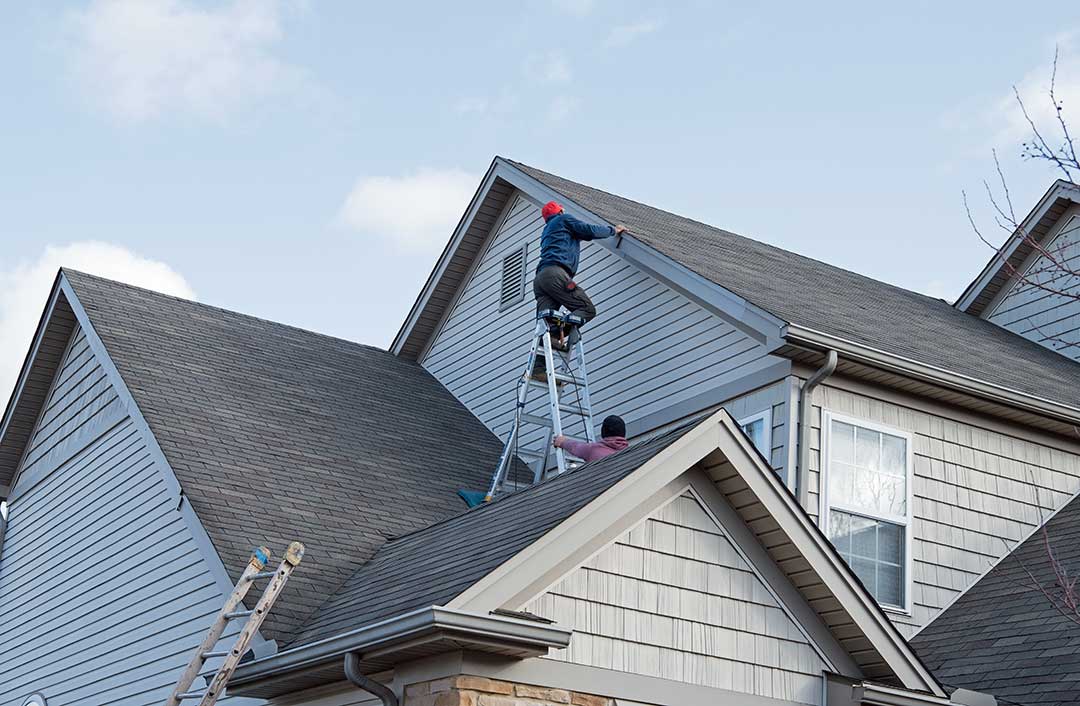
Any electrical fixture affected by water should be treated cautiously. Water and electricity create a serious hazard, and the affected area should not be disturbed unnecessarily.
What happens after the tear-off?
Once the old materials and damaged decking are removed, the roof surface is prepared for the new roofing system. This may include installing replacement deck panels, underlayment, drip edge materials, flashing, ventilation components, and the finished roof covering.
Cleanup should continue throughout the work, not only at the end. Nails and debris can collect near foundation walls, shrub beds, driveway edges, and areas where wind carries lightweight material.
A final cleanup commonly includes magnetic sweeping or another method of collecting loose metal fasteners. However, homeowners should still use caution for several days after the work because a nail can remain hidden in grass, mulch, leaves, or snow.
Gutters may also contain granules, wood fragments, and dust after tear-off. Clearing this material helps reduce the chance of blocked downspouts, especially before periods of heavy rain or seasonal freezing.
How should residents prepare for the day of tear-off?
The most useful preparation is practical and simple:
- Move vehicles and outdoor belongings away from the house.
- Keep children and pets indoors or away from the work area.
- Remove fragile items from attic storage and upper-level shelves.
- Protect items that cannot be moved from dust and vibration.
- Keep windows closed during active tear-off.
- Plan for temporary noise during daytime hours.
- Avoid walking barefoot near the house until cleanup is complete.
- Make arrangements for sensitive pets, remote work, or daytime meetings.
Residents should also know where emergency shutoffs and important household items are located in case dust, vibration, or an unexpected leak affects part of the home.
How long does a tear-off take?
A straightforward roof tear-off may be completed in part of a day, while a larger or more complicated roof can require longer. The full roofing project may extend beyond the tear-off because the surface must be inspected, repaired if needed, dried when necessary, and covered with the new system.
The number of roof layers, roof size, slope, access, weather, decking condition, and disposal arrangements all influence the schedule. A short tear-off does not always mean the entire replacement will be finished the same day.
The key point is that tear-off is both a removal process and an inspection opportunity. Once the old materials are gone, the actual condition of the roof structure can be evaluated rather than guessed from the surface.
