
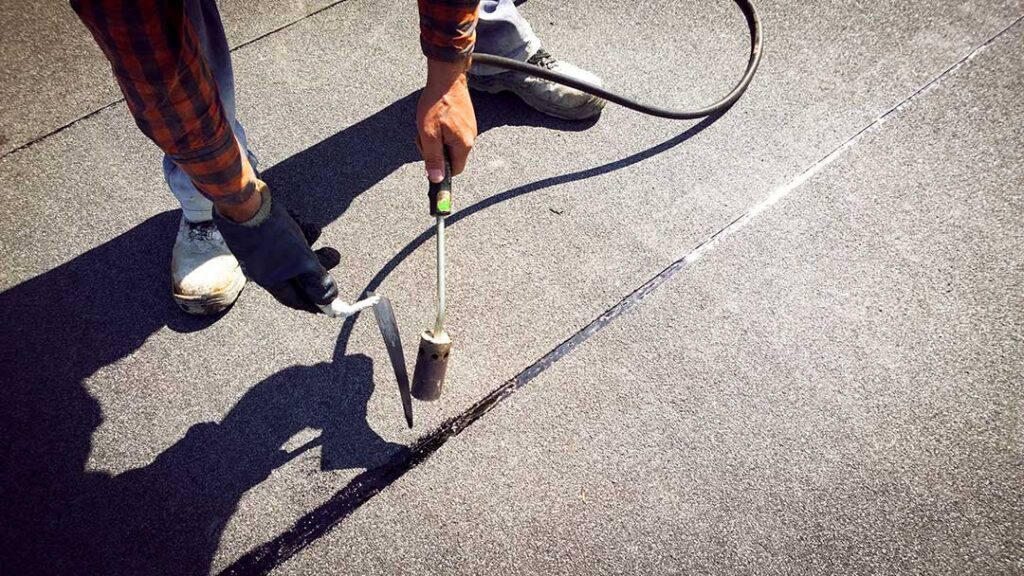
How Do Solar Panels Affect Roofing in Cohoes, NY?
Solar panels can help provide clean energy, but their installation directly affects your roof. In Cohoes, NY, houses are exposed to humid summers, icy winters, and the freeze-thaw cycles common to the Northeast. These conditions matter because your roof must be in strong condition to support solar equipment and withstand new stresses without leaks or damage.
Solar panels are typically mounted with brackets fastened through roofing materials into the structural supports below. Quality installation aims to prevent any water intrusion, but even small mistakes or aging roofing under solar hardware can cause costly issues, especially during extended periods of melting snow or summer storms.
Is My Roof Suitable for Solar Panels in the City?
A roof is considered suitable for solar panels if it is structurally healthy, has enough sun exposure, and can support additional weight. In the city, most single-family homes and some multi-family residences qualify, but there are several details to review:
- Age and condition: Roofs nearing the end of their expected lifespan should usually be replaced before panels are installed. It’s disruptive and costly to uninstall and reinstall equipment on a roof that soon needs repairs.
- Orientation and shade: The most effective panels face south, southeast, or southwest with limited shading from trees or neighboring buildings. In the denser parts of the city, neighboring structures or mature trees may impact suitability.
- Roof pitch: Moderate slopes (about 30 degrees) maximize sun exposure and drainage. Flat or very steep roofs need special mounting techniques.
What Roof Materials Work Best with Solar Panels in the Area?
Solar panels can be installed on most roofing types, but certain materials present fewer complications in Cohoes’ climate:
- Asphalt shingles: The most common local roofing material and generally compatible with solar hardware. Professional installers can attach brackets without compromising roof integrity if the shingles and underlayment are sound.
- Metal roofs: Standing seam metal roofs are highly compatible, often allowing installation with clamps and no roof penetration.
- Slate, clay, and wood roofs: These materials are more fragile during installation, so extra care or custom hardware may be needed. Repairs may also be less straightforward.
Frequent snow and ice in Cohoes can be rough on all materials. If a roof already struggles with leaks or ice damming, these issues should be resolved before panel installation.
How Much Weight Do Solar Panels Add? Is That a Problem in Cohoes?
Residential solar panels and mounting systems typically add between two and five pounds per square foot. Most standard houses can handle this, but older buildings (especially pre-war homes) may need a structural check to confirm they can bear the extra weight, especially considering heavy snow loads that are common in winters.
Newer construction or roofs with clear recent inspection records typically handle the weight without modification. However, vulnerabilities like undersized rafters, hidden water damage, or previous patchwork repairs deserve a closer look to avoid long-term problems.
Who Handles Permits and Inspections for Solar Roof Projects?
Solar projects require permits from municipal authorities to ensure work meets local codes. In Cohoes, the Building Department issues permits and conducts final inspections. Residents must provide plans showing the roof’s current state, intended equipment, and installer credentials. These policies aim to protect homeowners from unsafe work and inadvertent code violations that could impact insurance.
Inspections verify that roof penetrations are correctly flashed (sealed against water), mounting systems are secure, and electrical connections meet safety codes. Neighbors in some historic neighborhoods may also encounter extra guidelines to preserve district character.
What Maintenance or Hidden Costs Should Residents Expect?
Solar panels are relatively low-maintenance, but the underlying roof still ages and may develop issues. In the Cohoes area, these factors are worth considering:
- Snow removal: Panels rarely require snow clearing, but built-up drifts can create extra weight or ice dams that strain older roofs.
- Gutter access: After installation, gutters and downspouts under panels may be harder to reach and clean.
- Roof repairs: If part of the roof under a panel leaks or ages faster than the rest, removing and reinstalling the array adds to repair costs.
- Animal nesting: Pigeons or squirrels may try to nest under panels. Preventive screening can help but needs periodic checking.
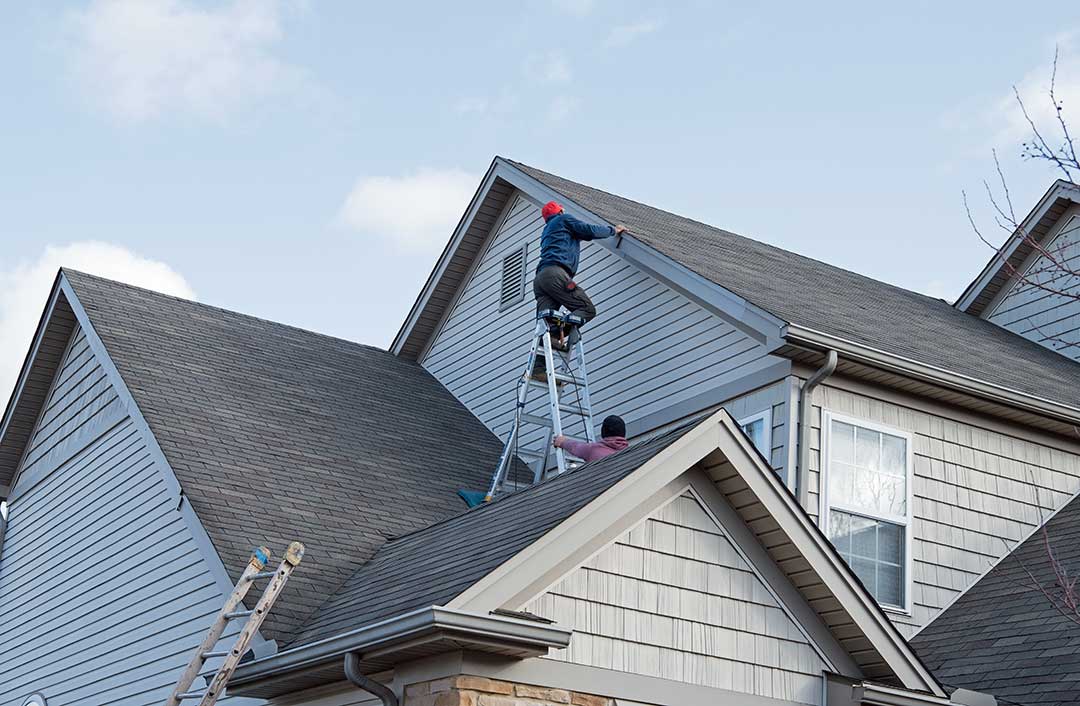
It’s wise to budget for a roof inspection every few years, particularly with changing seasonal patterns and increasing severe weather.
What Are Common Misunderstandings About Solar Panels and Roofs in This Region?
Several misunderstandings persist among local homeowners:
- Solar panels do not “stop” a roof from leaking if a problem already exists. In fact, hidden issues can worsen if covered up.
- Most standard asphalt roofs in the city’s housing stock should last 20–25 years, but solar panels typically function for 25–30 years. Aim for a new or fairly young roof before adding panels.
- Panels add minor insulation value but do not eliminate ice dams or energy loss through poor attic ventilation.
Panels need sun, so full-shade roofs or heavily obstructed lots will see less benefit.
Should Panels Be Removed for Roof Replacement Later?
If roof replacement becomes necessary after solar panels are installed, the panels must be temporarily removed. This adds significant labor and cost to any future roofing project. For this reason, many local homeowners replace aging roofs before scheduling panel installation to maximize both systems’ lifespan and minimize disruptions.
Are There Local and Seasonal Considerations Unique to Solar Installations Here?
Cohoes’ humid summers, variable spring weather, and heavy, icy winters all affect both panels and roof longevity:
- Snow can accumulate on panels, but it typically melts faster due to dark surfaces absorbing sunlight. This helps shed spring snow and ice more quickly than on bare shingles.
- High winds and summer storms require secure, properly installed mounts to prevent wind uplift or shingle damage.
- Leaf drop from mature city trees in autumn can shade panels and collect in gutters, requiring periodic checks.
Local regulations or neighborhood guidelines may impact installation timing or panel visibility in certain historic districts.
