
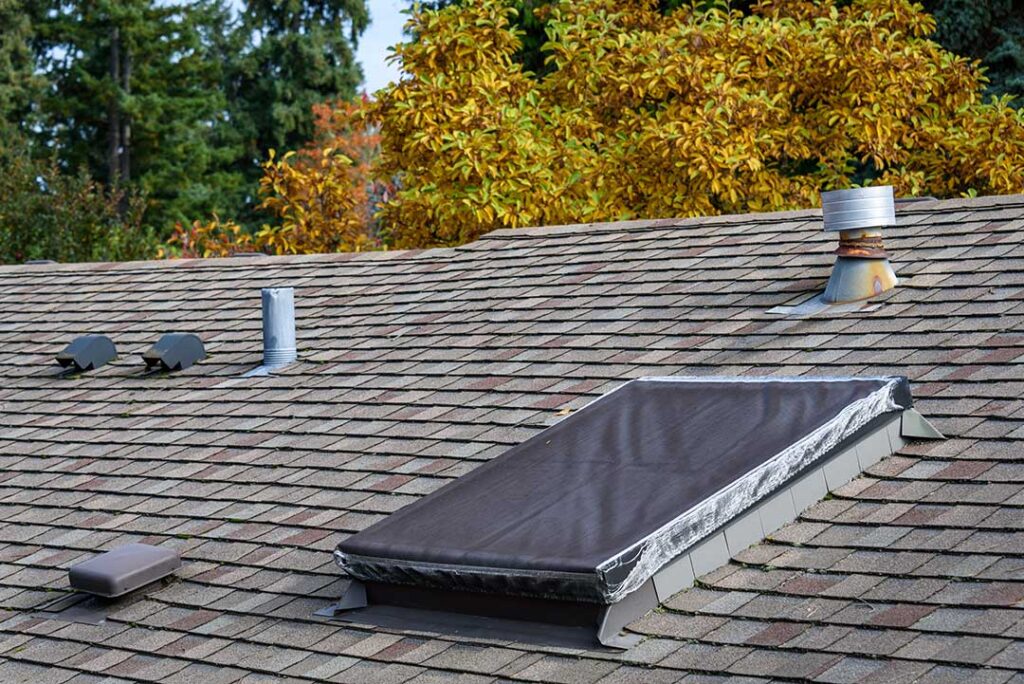
Why Do Moss and Algae Grow on Roofs in Cohoes, NY?
Moss and algae thrive in moist, shaded environments, and the seasonal conditions in Cohoes, NY often create exactly that scenario. Neighborhoods lined with mature trees provide ample shade, and the region’s snowy winters and humid summers lead to persistent dampness on roofing surfaces. Asphalt shingles, a common roofing material in the city, are especially prone to these growths because they can retain moisture and offer organic debris for moss and algae to grow.
Even though moss and algae aren’t always linked to immediate roof leaks, over time they can cause shingle damage, create slippery surfaces, and reduce a roof’s useful life. Residents often spot green or black streaks on their homes, especially after a damp spring or during the summer.
What’s the Difference Between Moss and Algae?
Moss and algae might look similar from the sidewalk, but they have key differences:
- Moss appears as thick, green, sometimes fuzzy patches. It has small root-like structures that wedge under shingles, lifting and damaging them as it spreads.
- Algae usually shows up as dark streaks or smudges, often black or blue-green. It doesn’t have roots but spreads across surfaces, feeding on limestone filler in shingles.
Algae is mostly a cosmetic problem, while heavy moss growth can cause practical damage to roofing materials.
Are Moss and Algae Harmful to Roofs?
Light algae staining is mainly an aesthetic concern, but heavy or recurring growth indicates that the roof stays damp longer than it should. Moss is more of a problem for local residents because:
- It traps moisture, speeding up shingle deterioration during freeze-thaw cycles common in Cohoes.
- As moss grows, it can wedge under or lift shingles, making it easier for water to seep underneath and cause hidden leaks or wood rot.
- The additional weight from thick moss can strain older roofs.
For homes surrounded by overhanging trees or in the shade for much of the day, moss can be especially persistent.
How Can Residents Safely Remove Moss and Algae from a Roof?
Residents can remove light moss and algae growth themselves if they follow safety measures and use gentle methods. Aggressive scrubbing or harsh chemicals risk damaging roofing materials.
Safe Removal Steps
- Always work on a dry, stable day. Avoid climbing ladders or roofs in wet, slippery conditions.
- Loosen moss gently with a soft brush, sweeping downward in the same direction as the shingles to avoid lifting them.
- Never use a wire brush or pressure washer, which can remove granules and shorten roof life.
- Rinse with a garden hose using gentle pressure. Do not use high-pressure sprayers.
- For persistent stains, a mix of equal parts water and white vinegar or a diluted household bleach (no stronger than one part bleach to four parts water) can be applied sparingly. Allow to sit for 15-20 minutes, then rinse thoroughly.
Always protect landscaping with tarps when using any cleaning solution.
Safety First
For pitched or high roofs, or if moss covers large areas, it’s safer for residents to limit themselves to cleaning from the ground with roof wash hose attachments. Personal safety and roof condition should take priority over cosmetic appearance.
Is It Possible to Prevent Moss and Algae in This Area?
Moss and algae spores are nearly everywhere, but several practical steps can reduce their spread and help protect roofs in the city:
- Trim overhanging branches to increase sunlight and improve air flow, allowing roofs to dry faster after rain or snow.
- Clear gutters regularly, especially in fall, to prevent water backup and debris buildup that create hospitable environments for growth.
- Keep roofs free of leaf litter, pine needles, and twigs, especially in shady areas or valleys where buildup is common.
- After cleaning, zinc or copper strips installed along the roof ridge can help inhibit future moss and algae development. Rainwater then delivers small amounts of these metals over the roof surface, discouraging growth.
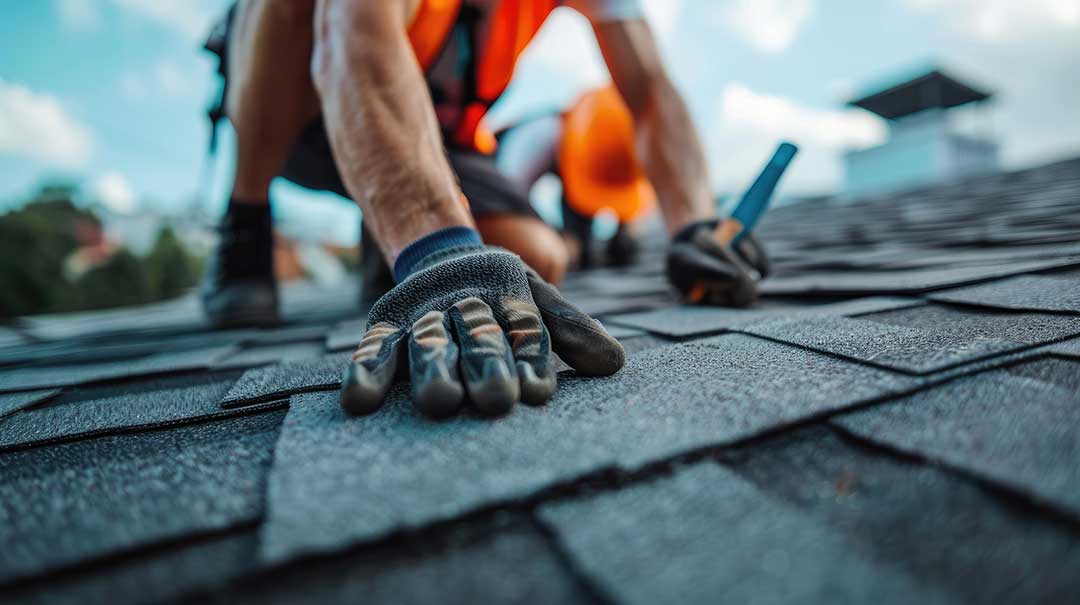
While these measures help, no approach will completely eliminate future moss or algae, especially in neighborhoods with abundant trees and seasonal dampness.
Are There Any Misconceptions About Dealing with Roof Moss and Algae?
Many residents believe that power washing is a quick fix. In reality, it can easily damage the protective granules on shingles and void warranty coverage. Another myth is that any household cleaner is safe for roof use; however, some detergents or chemicals can cause more harm than good. Using excessive bleach, for example, risks damaging plants and discoloring roofing material.
It's also a misconception that moss and algae only grow on older roofs; even newer roofing can develop growths if local conditions are right.
When Should a Roof Be Replaced Due to Moss or Algae Problems?
Most moss and algae issues can be managed through regular care. However, if moss has been left undisturbed for years and has caused shingle curling, cracking, or significant lifting, underlying roof materials may also be compromised. In these situations, the risk of leaks or structural damage increases.
Residents should consider consulting with a licensed roofer if:
- The roof appears wavy, sags, or has soft spots.
- Large sections of shingles are missing, loose, or easily lifted.
- Interior stains or mold growth are noted, suggesting hidden leaks.
Properly maintained roofs in Cohoes should last for decades even with occasional moss or algae growth, as long as it’s addressed early.
How Does the Local Climate Affect Roof Maintenance Routines?
The city experiences four distinct seasons, with snowy winters and humid summers. These conditions cause repeated wetting and drying of roofing materials—a perfect recipe for moss and algae.
- Spring and summer: Growth is more rapid due to moisture and shade, so visual checks after heavy rains or storms are helpful.
- Fall: Removing debris before winter snow prevents long-term moisture trap.
- Winter: Avoid disturbing snow-covered roofs, as clearing moss is safest in warmer, dry seasons.
Building maintenance habits that align with the area’s climate can extend the lifespan of local roofs and preserve curb appeal.
