
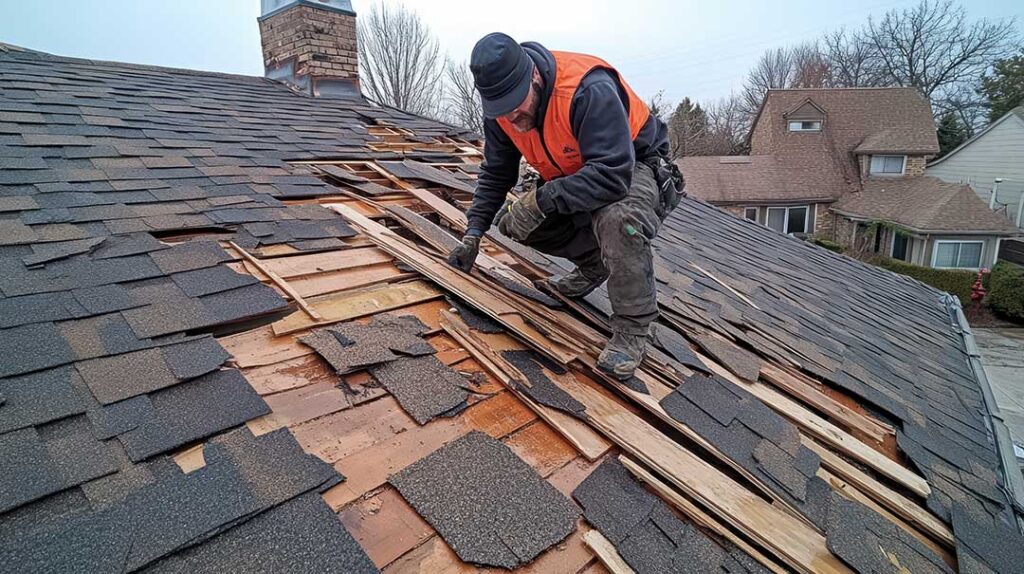
How Does Humidity Influence Roofing Materials in Cohoes, NY?
Humidity plays a significant role in the health of roofing materials throughout the city. Local weather patterns lead to seasonal changes in moisture levels that interact with roofs of all ages and types, often in ways homeowners may not expect. Higher moisture in the air doesn't just affect comfort inside homes—it can also affect how well roofing performs and how long it lasts.
What Happens to Roofing Materials in a Humid Environment?
In short, persistent humidity can reduce the lifespan of typical roofing materials by causing them to deteriorate more quickly. This risk is particularly relevant each summer, or when weather shifts quickly from cold and dry to warm and damp, as can happen in the city.
- Asphalt shingles may develop curling or blistering as moisture gets trapped beneath layers.
- Wood shakes and shingles are susceptible to swelling, warping, or mold growth. Moisture makes wood expand, then shrink as it dries—leading to cracks or splits.
- Metal roofs are generally more resistant, but can still be affected by trapped condensation, which may cause rust or corrosion if not well-ventilated.
- Flat roofs (common on some multi-family and historic buildings) can see trapped humidity contribute to blistering or separation in membrane materials.
Why Is Humidity Especially Challenging in the City?
The region's mix of humid summers, heavy rain, and freeze-thaw cycles during shoulder seasons puts added stress on local roofs. In densely built neighborhoods where houses are close together, air flow can be limited, leading to slower roof drying after rain or humidity spikes. This environment keeps roofing materials wetter for longer periods compared to homes that get constant sun and wind exposure.
Most area households also experience high attic humidity, since moisture from daily living activities like cooking, bathing, and laundry can rise upward if venting is inadequate.
Which Problems Can High Humidity Cause on Local Roofs?
Prolonged humidity can lead to several common roofing issues:
- Moss and Algae Growth: Dark streaks and patches, usually on the north sides of roofs or under tree cover, thrive in persistent dampness. This not only looks unsightly but can damage shingles or accelerate roof aging.
- Ice Dams and Moisture Trapping: In colder months, humidity inside attics can condense under roofing and form frost. When temperatures rise, this moisture soaks into the roof, sometimes contributing to hidden rot.
- Condensation Damage: On humid days, warm outside air can enter roof assemblies and condense against cooler surfaces (like roof decking). Over time, this repetitive wetting can lead to structural weakening, especially on older homes.
How Can Homeowners Spot Humidity-Related Roof Issues?
Early detection can prevent small problems from becoming expensive repairs. Signs to watch for include:
- Shingles or roof edges that look wavy or uneven
- Black or green streaks, especially on shaded sections
- Visible mold, mildew, or musty attic odors
- Soft or sagging roof sheathing when accessed from the attic
- Water stains on upper-floor ceilings, especially after very humid periods
Are Some Roofing Materials Better for High-Humidity Areas?
Some materials offer more resilience against local humidity challenges:
- Metal roofing (aluminum, galvanized steel, or copper) is inherently resistant to rot and mold, though seams and flashings must still be carefully sealed.
- Synthetic or composite shingles often resist mold and moisture better than natural wood or basic asphalt options.
- Avoiding untreated wood roofs and ensuring all roofing is rated for local weather conditions helps ensure longer roof life.
Still, any material will function best if properly ventilated and maintained.
What Steps Help Manage Humidity Impact on Local Roofs?
To minimize humidity problems around the city, residents can:
- Prioritize proper attic ventilation. Vented soffits, ridge vents, or attic fans minimize moisture buildup above living spaces.
- Ensure insulation is dry and evenly installed, as wet insulation can hold moisture against roof decking.
- Keep gutters and downspouts clear, preventing water from backing up and leaking into the roof line.
- Trim trees for better sunlight and airflow across roofing.
- Repair small roof leaks or damaged flashing promptly—humidity worsens the effects of even tiny water intrusions.
Common Misconceptions About Humidity and Roofing
It’s easy to misunderstand how local roofing interacts with seasonal humidity. Some frequent misconceptions include:
- Believing only southern or “wet climate” homes face humidity effects. In reality, the city’s summer climate sustains high humidity levels, especially after thunderstorms.
- Assuming newer roofs don’t need monitoring for these issues. Even brand-new roofs can develop mold or condensation if ventilation is poor.
- Thinking metal roofs never rust. Without correct installation and ventilation, even rust-resistant metals can develop corrosion over time.
How Does Local Maintenance and Living Habits Affect Roof Humidity?
Lifestyle and home habits can help reduce roof dampness:
- Using exhaust fans in kitchens and bathrooms channels humid air outside instead of allowing it to collect in attics.
- Avoiding indoor drying of laundry or long, steamy showers without ventilation.
- Inspecting attic spaces each spring and fall, especially after humid spells or storms.
Residents who stay alert to indoor humidity and roofing conditions help protect their roof from moisture-related deterioration throughout the year.
