
Renovations can protect and improve a home, but they can also expose the roof to damage that is easy to miss until the next heavy rain or snow. In Cohoes, NY, projects should account for changing weather, freeze-thaw cycles, wind, ice, and the practical challenges of working on older or closely spaced homes.
The safest approach is to treat the roof as an active part of the renovation site—not as a surface that workers can use for storage, access, or temporary support without precautions.
Which renovation activities create the greatest roof risk?
Roof damage is most likely when construction changes the roof’s drainage, exposes the building to weather, or places unexpected weight on roofing materials. Common risk-producing activities include:
- Removing or replacing siding, windows, chimneys, or attic insulation
- Building additions, dormers, porches, or enclosed entryways
- Installing solar equipment, satellite equipment, or rooftop ventilation
- Replacing gutters, fascia, soffits, or exterior trim
- Using ladders, scaffolding, lifts, or temporary walkways near the roof
- Storing lumber, tools, shingles, or demolition debris on the roof
- Cutting masonry, wood, or metal above finished roofing
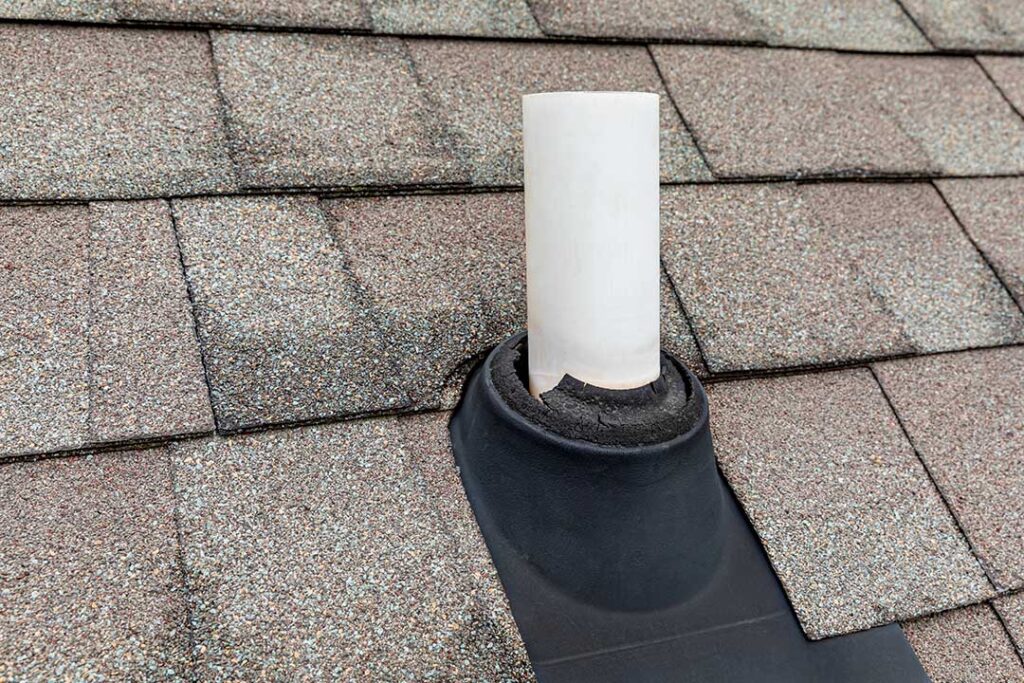
Even work that does not involve roof replacement can loosen flashing, puncture shingles, block gutters, or disturb sealants around vents and chimneys.
How should the roof be inspected before work begins?
A pre-renovation inspection creates a reference point and helps identify weak areas before workers and materials are present. The inspection should document:
- Missing, cracked, curled, or brittle shingles
- Loose flashing around chimneys, skylights, vents, and wall intersections
- Sagging roof sections or signs of water staining inside the attic
- Damaged gutters, downspouts, and drainage outlets
- Moss, leaves, or debris that could hide existing defects
- Roof edges, valleys, and penetrations that may be vulnerable to foot traffic
Photographs are useful, especially close views of roof penetrations and areas near the renovation. Written notes can clarify whether later damage was pre-existing or occurred during the project.
A roof that is already near the end of its service life may not tolerate repeated foot traffic, temporary coverings, or construction debris as well as a newer roof. That does not automatically require replacing it before the renovation, but it does call for more careful planning.
Can workers walk on the roof during a renovation?
Sometimes, but roof access should be limited and planned. Walking can loosen granules, crack brittle shingles, bend flashing, and damage sealants. The risk increases during cold weather, when some roofing materials become less flexible, and during hot weather, when surfaces may soften.
Workers should use designated access paths and avoid stepping on fragile areas such as:
- Shingle edges
- Ridge caps
- Valleys
- Skylight surfaces
- Flashing
- Areas around vents and plumbing penetrations
Ladders should rest in a way that does not crush gutters or scrape roof edges. Where repeated access is necessary, temporary protective materials may help distribute weight, but those materials must not trap moisture or obstruct drainage.
How can materials and tools be kept from damaging the roof?
Roofing materials should not be stacked wherever there is open space. Concentrated weight can stress roof framing, damage shingles, and interfere with water flow. Heavy items such as bundles of shingles, bricks, tile, concrete, and equipment should remain on the ground unless a qualified person has confirmed that the structure and loading plan are suitable.
Tools and fasteners create another hazard. A single exposed screw, nail, or sharp piece of metal can puncture a membrane or work its way beneath a shingle. Construction areas should be cleaned at the end of each workday, with special attention to roof valleys, gutters, and areas below cutting stations.
Tarps, boards, and plastic sheeting should be secured without creating new punctures. Loose coverings can become windblown, scrape surfaces, or direct water into walls and attic spaces.
What temporary weather protection is appropriate?
Temporary protection must shed water rather than simply cover the opening. If a roof section is removed, the exposed area should be protected with a properly secured system that extends beyond the opening and directs water away from walls, windows, and foundation areas.
A few precautions matter in the local climate:
- Check coverings before rain, strong wind, freezing rain, or snow.
- Do not allow tarps to sag into exposed framing or roof openings.
- Keep temporary drainage paths clear of leaves and ice.
- Avoid sealing wet materials beneath plastic for extended periods.
- Remove temporary coverings promptly when permanent work is complete.

A tarp is not a substitute for a finished roof. It can reduce short-term exposure, but wind-driven precipitation may still enter through small gaps, especially around chimneys, walls, dormers, and roof penetrations.
How should gutters and drainage be protected?
Renovation debris frequently enters gutters, where it can block downspouts and cause water to back up beneath roof edges. Gutters should be checked after demolition, roof work, exterior painting, and major storms.
Downspouts should discharge water away from the foundation and remain connected during the project whenever practical. If a downspout must be temporarily removed, water should be redirected safely rather than allowed to pour against siding, basement walls, or walkways.
Do not place ladders directly on gutters. Crushing or bending the gutter may not be noticeable until the next significant rainfall.
What precautions are needed during winter renovations?
Cold-weather work requires extra attention because ice, snow, and freeze-thaw cycles can turn a manageable project into a water-intrusion problem. Snow should not be pushed into roof valleys, gutters, or areas where it can refreeze against flashing.
Ice-covered roofs are unsafe to walk on and may conceal fragile shingles or open seams. Renovation schedules should allow time for surfaces to dry and for temporary weather protection to be checked after temperature changes.
Heating equipment used during a renovation also deserves care. Portable heaters should be kept away from roofing materials, tarps, insulation, sawdust, and other combustible items. Warm air and moisture from interior work can also reach a cold attic and condense on roof framing if ventilation is blocked.
How can homeowners tell whether renovation work caused roof damage?
New leaks, ceiling stains, damp insulation, musty odors, loose shingles, damaged flashing, or overflowing gutters after construction deserve prompt investigation. The location of an interior stain may not match the exterior entry point because water can travel along rafters, sheathing, insulation, or framing.
Keep project photographs, weather records, and notes about when openings were created or materials were delivered. After major work, inspect accessible attic areas for:
- Damp or discolored wood
- Wet insulation
- Daylight visible through the roof deck
- Rusted fasteners or metal components
- Water trails near chimneys, vents, and exterior walls
Do not climb onto a steep, wet, icy, or damaged roof to investigate. Roof access becomes a safety issue when surfaces are unstable or when construction equipment is present.
What should be checked after the renovation?
A final roof review should confirm that:
- All penetrations are properly sealed and flashed
- No shingles, tiles, membranes, or metal panels are loose
- Gutters and downspouts are clear
- Roof valleys and drainage paths are free of debris
- Temporary coverings, fasteners, and protective boards are removed
- Siding, trim, chimneys, and roof-to-wall connections are intact
- Attic areas show no new signs of moisture
Permits, inspections, and construction requirements may apply depending on the type and scope of work. Questions involving structural changes, roof framing, electrical equipment, fire safety, or unsafe access should be handled according to applicable local and state requirements.
Protecting a roof during renovation is largely a matter of planning: document its condition, limit unnecessary traffic, control debris, preserve drainage, and maintain reliable weather protection whenever the roof is opened.
