
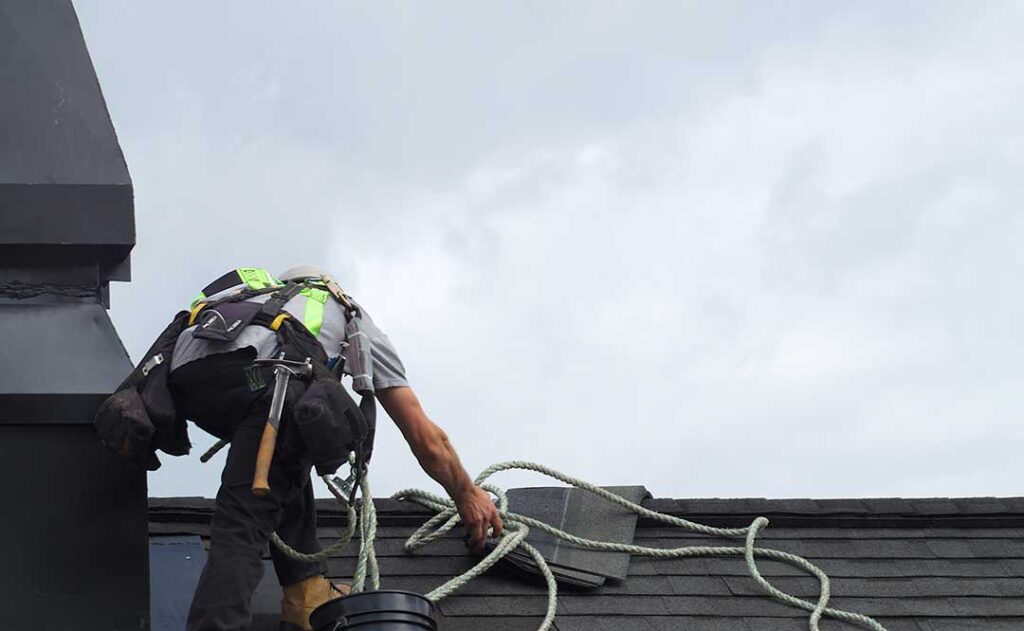
Why Regular Roof Inspections Matter for Cohoes, NY Homes
Regular roof inspections are essential for protecting homes in Cohoes, NY due to the area’s distinct seasonal shifts and weather challenges. Many residents wonder if a simple glance from the ground is enough—unfortunately, small issues often hide until they become costly repairs. Inspections catch these problems early, preventing leaks, mold, insulation loss, and expensive structural repair.
Homes in the city experience freeze/thaw cycles, heavy snow loads, ice dams, wind-driven rain, and the occasional hailstorm. Each of these can quietly weaken shingles, flashings, and underlying materials long before visible warning signs appear indoors. Early detection is critical for extending your roof’s useful life and preserving home value.
How Often Should a Roof Be Inspected Here?
Most homes in Cohoes benefit from a professional roof inspection once each year—ideally in spring or early fall. Timing depends both on your roof’s age and local weather conditions.
- Roof age: New roofs (under five years old) can often be checked every two years unless severe weather occurs. Older roofs, especially those nearing their expected end-of-life, should be inspected annually.
- Material type: Asphalt, metal, slate, or flat roofs have different lifespans and vulnerabilities, but the annual rule usually holds, especially due to our freeze/thaw cycles.
- Weather events: Any major storm (heavy wind, hail, or long-lasting ice) may warrant an extra inspection, regardless of schedule, to catch hidden storm damage.
Are There Signs That Mean I Should Schedule an Inspection Sooner?
Sudden or ongoing symptoms should prompt a timely inspection, even if you’ve recently had one. Not all damage is visible from the ground, but certain warning signs do suggest an urgent look.
Watch for:
- Sudden water stains on ceilings or walls, especially after rain or snowmelt
- Missing, curled, cracked, or buckling shingles visible from the ground
- Excessive granules in gutters or downspouts (a sign of shingle decay)
- Sagging rooflines or pronounced dips between rafters
- Mold, moss, or algae growth, especially in shaded roof areas
- Damaged or displaced flashing around chimneys, skylights, or vents
Ignoring these early symptoms risks faster deterioration and much larger repair bills down the road.
What Time of Year Is Best for an Inspection in Cohoes?
Spring and early fall are the most practical times to inspect roofs in the city, given local temperature swings and precipitation patterns.
- Spring: Inspection after winter uncovers ice dam scars, damage from snow loads, and sealant failures caused by freeze/thaw cycles.
- Early fall: A pre-winter check-up identifies loose shingles or damaged flashing before snow, ice, and wind can amplify a small problem into a leak.
Most years, late March through early June and again from September through October offer reasonably stable weather for a thorough inspection. Inspecting in these windows also leaves time for needed repairs before intense winter or summer weather makes roof work difficult or unsafe.
Why Do Seasonal Weather Patterns Matter So Much for Roofs Here?
Winter in the area brings heavy snow, ice dams, and powerful winds. These factors often create slow-developing damage invisible from inside the home.
For example:
- Ice dams can lift shingles and loosen flashing, creating micro-gaps that allow water intrusion.
- Freeze/thaw cycles encourage small cracks—which expand over time.
- Spring moisture, followed by warm temperatures, encourages growth of moss and mold which degrade materials.
Because of these local realities, roof issues can arise even if your roof looks fine at the beginning of winter. Scheduling inspections around these cycles ensures damage is spotted at the first opportunity.
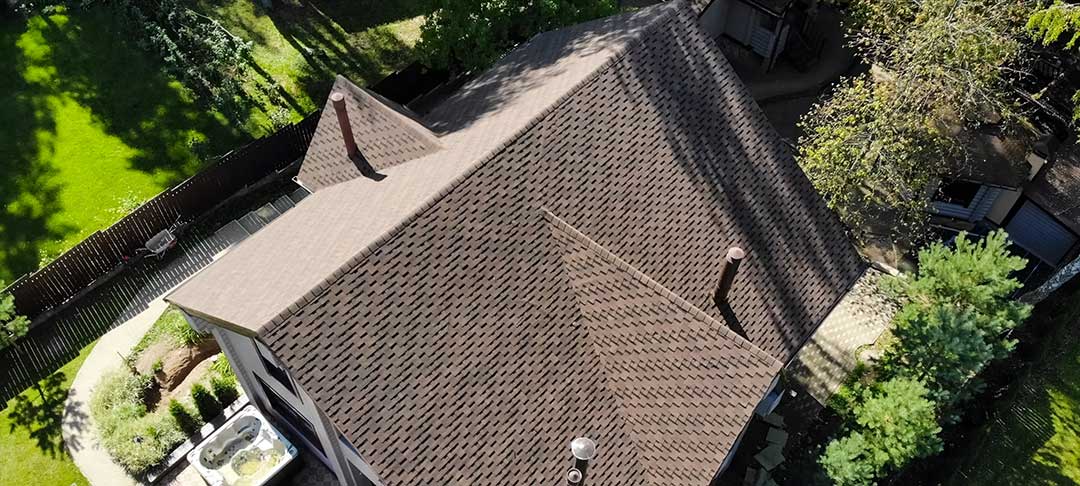
What If My Roof Was Recently Installed or Still Under Warranty?
New roofs are lower risk, but not immune to early failure or installation misses. Having documentation of periodic inspections is also essential for maintaining most manufacturers’ warranties.
Even if your roof is new:
- Plan at least one inspection within the first two years—if only to check for manufacturer or installation defects.
- Major storms, tree limb impacts, or debris from wind can damage even freshly installed materials and void warranties if not addressed quickly.
- Warranty conditions typically require the home owner to show proof of maintenance; regular inspections provide this record.
Misconceptions and Overlooked Factors About Roof Inspections
Many assume that roof warranties guarantee years without issues, but neglecting inspections can void coverage. Another common misconception: “If I don’t see leaks, everything’s fine.” Leaks can take months or years to show up inside, and by then the repair is far more invasive.
Other overlooked factors:
- Trees: Dense foliage and falling branches significantly increase risk for shingle puncture or gutter clogging, making annual inspections more urgent on tree-lined streets.
- Foot traffic: DIYers who clear gutters or hang decorations may inadvertently damage protective roof layers. Unintentional damage is easier to spot with routine checks.
- In older neighborhoods, homes with multiple roof layers or unconventional repairs (like tar patches) should be closely monitored due to hidden vulnerability.
When Should Only Qualified Inspectors Be Involved?
While residents can safely use binoculars from the ground to spot obvious shingle damage or clogged gutters, certain risks demand a qualified inspector:
- Walking on steep, slippery, or snowy roofs is hazardous and should be avoided.
- If electrical wiring, solar arrays, or large chimneys are present, leave full inspections to those with proper safety training and equipment.
- If you suspect structural sagging or widespread leaks, professional assessment helps determine next steps safely and thoroughly.
For many local homes, annual roof inspections—timed around major weather seasons and following big storms—form a crucial part of household upkeep. With a little attention, residents can catch small issues before they become disruptive and expensive.
