
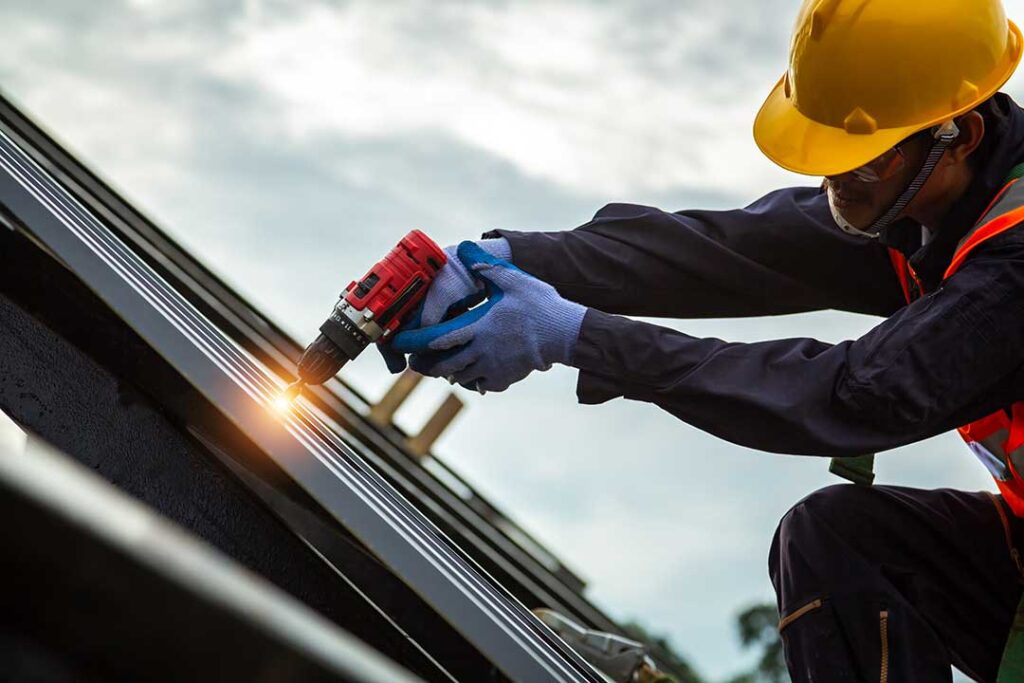
Walking on a roof is risky even when the surface looks dry, level, and sturdy. For residents of Cohoes, NY, seasonal moisture, freeze-thaw cycles, snow, ice, moss, and aging roofing materials can make an ordinary inspection more hazardous than expected.
The safest approach is to avoid stepping onto the roof unless access is necessary and conditions are well controlled. Many problems can be checked from the ground, attic, windows, or a ladder without walking across the roof surface.
Is it safe for a homeowner to walk on a roof?
It may be possible to walk on a low-slope roof in good condition, but no roof should be treated as a routine walking surface. Steep roofs, wet roofs, damaged roofs, and roofs near exposed edges should generally not be accessed without proper fall protection and specialized training.
A fall from a roof can cause serious injury even from a relatively modest height. Additional hazards include:
- Loose or missing shingles
- Rotten roof decking beneath the surface
- Skylights or weak translucent panels
- Hidden ice or frost
- Wind-blown debris
- Power lines near the roof
- Unstable ladders or soft ground
- Tools and materials that create tripping hazards
Roofing materials can also be damaged by foot traffic. Asphalt shingles may lose protective granules, bend at the edges, or crack around fasteners. Older shingles become more brittle, especially after repeated freezing and thawing.
When should you stay off the roof?
Do not walk on a roof that is wet, icy, snow-covered, frost-covered, or visibly damaged. Moisture can make shingles, metal, and painted surfaces extremely slippery. Snow can hide weak areas, roof openings, and uneven sections.
Stay off the roof during or shortly after:
- Rain or freezing rain
- Snowfall
- Strong winds or sudden gusts
- Heavy morning frost
- Rapid thawing
- Severe weather or visible storm damage
- Extreme heat, when roofing surfaces may become soft
A roof may appear dry while still holding moisture in shaded areas, valleys, north-facing slopes, and around chimneys or plumbing penetrations. In the local climate, freeze-thaw conditions can also loosen materials or open small cracks that are not obvious from the ground.
What should be checked before climbing?
Begin with a ground-level inspection. Look for missing shingles, sagging areas, exposed underlayment, damaged flashing, fallen branches, and water stains near the eaves. Binoculars can help identify many concerns without placing anyone on the roof.
If roof access is unavoidable, inspect the route first. Confirm that:
- The roof surface is dry and free of loose debris.
- The ladder will rest on firm, level ground.
- The roof edge and eaves appear structurally sound.
- No electrical wires are within the climbing path.
- There is enough daylight to see changes in the surface.
- Another adult knows where the person is and can assist from the ground.
- Children, pets, and other people are kept away from the area below.
A roof should not be accessed if there is any suspicion of structural weakness. Sagging decking, soft spots, unusual movement, or water-damaged wood are warning signs that require a different safety plan.
How should a ladder be positioned?
A ladder is often the most dangerous part of roof access. Place it on stable, nonslippery ground, and never use loose boards, boxes, furniture, or stacked objects to increase its height.
The ladder should be positioned at a safe angle according to its instructions. For access to a roof edge, the side rails should extend above the landing surface sufficiently to provide a secure handhold. Do not step around the top of a ladder onto a roof if the ladder shifts, leans, or does not provide a stable transition.
Keep three points of contact while climbing: two hands and one foot, or two feet and one hand. Carry tools in a belt or hoist them after climbing rather than holding them in your hands.
Never move, slide, or reposition a ladder while standing on it. If the ground is frozen, muddy, sloped, or soft, the ladder may shift unexpectedly.
What is the safest way to walk on a low-slope roof?
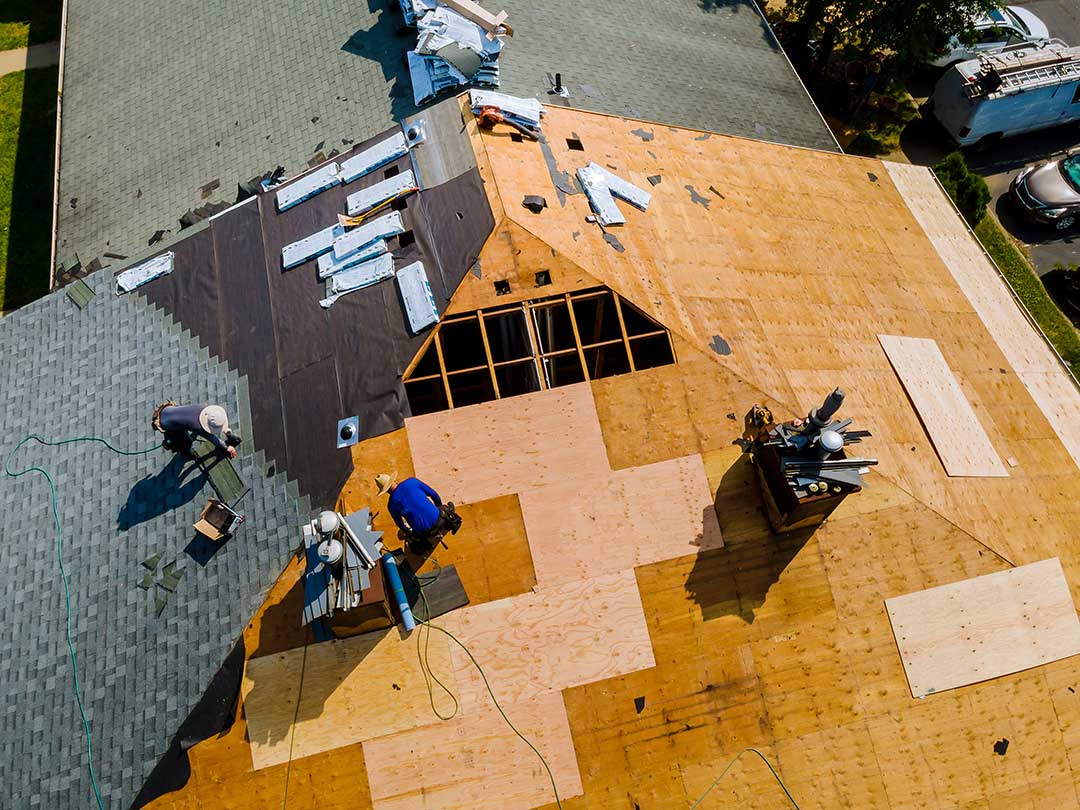
If a qualified person determines that access is appropriate, move slowly and keep your body oriented toward the roof surface. Take short, deliberate steps and avoid sudden turns. Do not run, jump over roof features, or walk backward.
Stay away from roof edges, valleys, skylights, loose flashing, and areas where shingles appear lifted or missing. Step on stronger structural areas when possible, such as locations over rafters, but do not assume that every visible roof line indicates sound support.
Avoid placing weight on:
- Skylights, even if they look solid
- Plastic or translucent roof panels
- Gutter edges and drip edges
- Chimney caps
- Vent pipes
- Loose flashing
- Damaged or sagging decking
- Areas covered by moss, algae, ice, or snow
Footwear should have clean, slip-resistant soles. Shoes with mud, oil, packed snow, or worn tread can be dangerous. Soft-soled shoes are not automatically safe if the roof is wet or steep.
How can shingles and other roofing materials be protected?
Walk only when necessary and limit the number of trips across the roof. Avoid dragging ladders, hoses, extension cords, or tools over shingles. Do not slide heavy objects down the slope.
On asphalt-shingle roofs, walking near the center of exposed shingle surfaces can reduce stress on the edges, but it does not eliminate the risk of damage. Older roofs may shed granules under foot, particularly during warm weather. Clay, slate, and some specialty roofing materials can crack under concentrated weight and may require designated access methods.
Metal roofing is especially sensitive to moisture, slope, and footwear. Panels can be slippery even when they look clean and dry. Standing-seam roofs may also have concealed clips, seams, or weak areas that are not suitable for foot traffic.
Is fall protection necessary?
For roofing work performed at elevated heights, fall protection is a serious safety requirement. Construction standards commonly require protective systems for workers exposed to falls from six feet or more, with specific methods depending on roof design and work conditions.
A harness alone is not a complete fall-protection system. Proper anchorage, compatible equipment, training, clearance from lower levels, and an emergency rescue plan are all necessary. Makeshift tie-off points such as vents, chimneys, pipes, or gutters may fail during a fall.
Homeowners should not improvise with rope, household straps, or unsecured anchors. If the roof is steep, high, fragile, or difficult to reach safely, staying off it is the safest choice.
What should you do after a storm?
Do not climb onto a roof immediately after wind, hail, heavy snow, or fallen branches. Storm damage can weaken decking, loosen shingles, and create hidden openings. Downed wires and damaged trees add separate hazards.
From the ground, document visible damage from a safe distance. Look for displaced materials, sagging sections, exposed wood, and debris. If water is entering the home, place containers under interior drips and move belongings away from the affected area without entering unsafe roof spaces.
Walking on a damaged roof can worsen the damage and expose a person to a fall through weakened materials. Roof access should be left to individuals with the right equipment and training when the surface, structure, or weather creates a significant hazard.
What is the safest alternative to walking on the roof?
For many routine questions, roof access is unnecessary. Binoculars, photographs taken from the ground, attic observations, and inspections from upper windows can reveal signs of trouble without exposing anyone to a fall.
A roof is not safe simply because someone has walked on it before. Conditions change with age, weather, moisture, repairs, and seasonal wear. In Cohoes, cold-weather exposure and repeated freeze-thaw cycles make careful judgment especially important. When the roof is steep, wet, damaged, icy, or structurally uncertain, avoiding the surface is the appropriate safety decision.
